Are your WhatsApp conversations as private as you think? With rising privacy concerns, many users are seeking an apps like WhatsApp that offers enhanced security and control over their source code. This post highlights key features of privacy-focused messaging apps, compares top alternatives like Google Messages, and provides guidance on transitioning from WhatsApp. By reading this, you’ll discover secure options to protect your group chats and share knowledge safely.
Understanding Privacy Concerns With WhatsApp

WhatsApp’s backup feature has raised privacy concerns, as conversations stored on cloud services may be vulnerable to unauthorized access.
The privacy settings within WhatsApp allow users to control who can view their personal information, but some argue these settings are not robust enough to ensure complete privacy.
File sharing capabilities on WhatsApp can inadvertently expose sensitive information if shared files are not adequately protected or encrypted.
Brian Acton, a co-founder of WhatsApp, has been vocal about enhancing user privacy, pushing for stronger encryption and better security measures.
Despite its widespread use, many users remain apprehensive about the privacy of their conversations on WhatsApp, seeking alternatives that prioritize data protection.
Key Features to Look for in Privacy-Focused Messaging Apps

When selecting a similar app to WhatsApp, users should prioritize end-to-end encryption to ensure that messages remain private between the sender and recipient. This encryption should extend to all forms of communication, including instant messaging and file sharing.
A robust client application is essential for maintaining user privacy. The client should minimize data collection and provide comprehensive privacy settings, allowing users to control their information effectively.
Reliable server infrastructure plays a critical role in safeguarding user data. Secure servers should employ advanced security protocols to prevent unauthorized access and protect sensitive information from potential breaches.
Compatibility with various web browsers enhances accessibility while maintaining privacy standards. Users should be able to access their messages securely across different platforms without compromising their data.
Instant messaging apps must offer transparent privacy policies and regular security updates. Staying informed about how data is handled and ensuring the app adapts to emerging threats are vital for long-term privacy protection.
Top Apps Like WhatsApp for Enhanced Privacy and Security

Alternatives to WhatsApp that prioritize privacy include Signal, Telegram, Threema, Wire, Viber, Matrix, and Session. Signal offers robust encryption, Telegram leverages cloud computing for message accessibility, and Threema ensures data protection without cloud storage. Additionally, Wire, Viber, Matrix, and Session utilize platforms like Twilio, each providing unique advantages for secure communication.
1. Signal
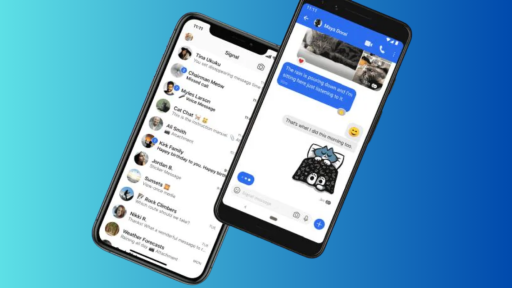
Signal stands out among apps similar to WhatsApp and WeChat by prioritizing user privacy and security. Its end-to-end encryption ensures that only the communicating users can access the content of their messages, providing a secure alternative in the crowded messaging app market.
The application utilizes advanced push technology to deliver messages swiftly and reliably, enhancing the user experience across various devices. Signal‘s intuitive user interface simplifies secure communication, making it accessible for users who prioritize both functionality and privacy.
Signal requires only a phone number for registration, avoiding the need for an email address and reducing the amount of personal data stored. This minimalistic approach to user information enhances privacy, catering to individuals who prefer to keep their contact details discreet.
2. Telegram
Telegram is a prominent WhatsApp-like chat app known for its robust encryption protocols. Utilizing a unique stack that supports both cloud-based and secret chats, Telegram ensures that user communications remain secure. The platform employs its proprietary encryption methods alongside standard protocols to safeguard messages from unauthorized access.
Leveraging the Extensible Messaging and Presence Protocol (XMPP), Telegram offers seamless integration and flexibility within its messaging framework. This integration allows for efficient handling of large volumes of messages, enhancing the app’s performance and reliability. The use of XMPP contributes to Telegram’s ability to maintain a stable and scalable infrastructure, supporting its extensive user base.
With a rapidly growing user base, Telegram continues to expand its features to meet diverse privacy and security needs. The app’s commitment to continuous improvement is evident in its regular updates and enhancements to encryption standards. By prioritizing user privacy and employing advanced security measures, Telegram remains a leading choice for those seeking a secure alternative to traditional messaging platforms.
3. Threema
Threema minimizes data collection by avoiding the need for personal information such as phone numbers or email addresses during registration. This approach significantly reduces the risk of personal data being stored or accessed by third parties, enhancing user privacy. By limiting data collection, Threema ensures that user interactions remain confidential and secure.
The app employs the Signal Protocol to provide robust end-to-end encryption, ensuring that messages, voice calls, and shared files are accessible only to the intended recipients. This encryption standard is widely recognized for its security, making Threema a reliable choice for individuals seeking to protect their communications from unauthorized access. The implementation of the Signal Protocol underscores Threema‘s commitment to safeguarding user data.
As a comprehensive mobile app, Threema offers seamless integration across various devices, allowing users to maintain secure conversations on the go. Additionally, the app supports RSS feeds for receiving updates and announcements, keeping users informed about the latest security enhancements and features. Unlike platforms such as Facetime, Threema prioritizes privacy and data protection, making it a preferred option for those who value secure and private messaging solutions.
4. Wire
Wire distinguishes itself by offering a secure alternative to popular apps like iMessage and Signal, ensuring that all user communications are protected with robust end-to-end encryption. This level of security extends to voice messages, where the microphone data is safeguarded against unauthorized access.
Users of Wire can subscribe to RSS feeds directly within the app, allowing them to receive timely updates and news without exposing their personal information. This feature enhances the app’s functionality while maintaining strict privacy standards, catering to users who seek both information and security.
With a focus on user privacy, Wire provides comprehensive controls that enable individuals to manage their data sharing preferences effectively. The platform’s intuitive interface ensures that users can easily navigate security settings, reinforcing trust and reliability in their daily communications.
5. Viber
Viber stands out among chat apps similar to WhatsApp by offering comprehensive privacy features that cater to users seeking secure communication. Its interface is user-friendly, allowing effortless navigation through various privacy settings. This design ensures that individuals with varying levels of technical knowledge can effectively manage their privacy preferences.
The application provides robust end-to-end encryption for all messages and calls, safeguarding the contact list from unauthorized access. Viber’s emphasis on security extends to its hidden chats feature, which enables users to conceal sensitive conversations behind a PIN code. This functionality enhances the overall privacy framework, making Viber a reliable choice for those prioritizing data protection.
Moreover, Viber continuously updates its security protocols to address emerging threats, demonstrating a commitment to maintaining user trust. By integrating advanced encryption technologies and offering customizable privacy options, Viber remains a strong contender among chat apps similar to WhatsApp. Users benefit from a secure and adaptable platform that aligns with their privacy needs and communication preferences.
6. Matrix
Matrix employs a sophisticated algorithm that supports decentralized communication, significantly enhancing data security across its network. By distributing information across multiple servers, Matrix reduces the vulnerability associated with centralized data storage, ensuring that user information remains protected on every mobile device.
In the field of mobile app development, Matrix offers a versatile framework that enables developers to build secure and interoperable messaging solutions. Unlike platforms such as Kik Messenger, Matrix’s open protocol allows for seamless integration and extensive customization, addressing diverse user requirements without compromising on security.
Data security is a fundamental aspect of Matrix, which utilizes end-to-end encryption to ensure that communications between users are entirely confidential. This robust approach to protecting messages and shared files meets the needs of individuals who prioritize privacy, providing a reliable alternative for secure interactions on their mobile devices.
7. Session
Session offers a secure communication platform by utilizing a decentralized network infrastructure, which minimizes the risk of centralized data breaches. This architecture ensures that user messages are routed through multiple nodes, enhancing anonymity and making unauthorized tracking significantly more challenging.
The application employs advanced end-to-end encryption to protect all forms of communication, including text messages, voice calls, and file transfers. By encrypting data locally on the user‘s device before transmission, Session guarantees that only the intended recipients can access the content, safeguarding privacy against potential interception.
Session prioritizes user anonymity by eliminating the need for personal identifiers such as phone numbers or email addresses during registration. This approach reduces the likelihood of personal information being exposed, providing a robust solution for individuals seeking confidential and secure messaging options without compromising their identity.
Comparing Security Features of Apps Like WhatsApp

This section highlights critical security features in privacy-focused messaging apps, including end-to-end encryption to ensure message privacy, decentralization for improved data security, and data storage practices that protect against unauthorized access. These factors are vital for assessing secure alternatives to WhatsApp.
End-to-End Encryption Explained
End-to-end encryption ensures that only the communicating users can access the content of their messages. This security measure encrypts data on the sender’s device and decrypts it on the recipient’s device, preventing intermediaries from accessing the information.
By implementing end-to-end encryption, messaging apps like Signal and Threema provide a high level of confidentiality for user communications. This feature is crucial for protecting sensitive conversations from potential cyber threats and unauthorized interceptions.
Users benefit from enhanced privacy as end-to-end encryption eliminates the risk of data breaches during transmission. This technology fosters trust, allowing individuals and businesses to communicate securely without worrying about their information being compromised.
Decentralization and Its Importance in Messaging Apps
Decentralization in messaging apps distributes data across multiple servers, reducing the risk of centralized data breaches. This architecture ensures that no single point of failure can compromise user information, enhancing overall security. By decentralizing data storage, these apps provide a more resilient framework against cyber threats.
Implementing decentralized systems allows messaging apps to offer greater control over user data. Users benefit from increased privacy as their information is not stored in a single location susceptible to unauthorized access. This structure supports robust data protection practices essential for maintaining confidential communications.
Decentralization also promotes transparency and trust in messaging platforms. With data spread across various nodes, it becomes more challenging for malicious actors to manipulate or intercept communications. This approach ensures that user interactions remain secure and private, addressing key concerns of privacy-conscious individuals.
Data Storage Practices of Privacy-Focused Apps
Privacy-focused apps implement stringent data storage practices to ensure user information remains secure. By utilizing end-to-end encryption, these applications protect data both during transmission and while at rest, making unauthorized access exceedingly difficult.
These apps often employ decentralized storage solutions, distributing user data across multiple servers to minimize the risk of large-scale breaches. This approach not only enhances security but also ensures that no single server holds all user information, thereby reducing vulnerability.
Moreover, privacy-centric applications prioritize data minimization, collecting only the essential information required for functionality. By limiting data retention and implementing regular audits, these apps maintain a robust security posture, safeguarding user privacy effectively.
How to Transition From WhatsApp to a Privacy-Centric App

Transitioning from WhatsApp to a privacy-centric app involves several key steps. Users should follow secure methods to migrate their conversations, effectively manage contacts and group chats, and adjust privacy settings to maximize security. These actions ensure a smooth and safe switch, enhancing overall data protection and communication privacy.
Steps to Securely Move Your Conversations
To begin the transition, users should export their WhatsApp chat history using the app’s built-in export feature. This ensures that all conversations are securely backed up and can be imported into the new privacy-centric application without data loss.
Next, it is essential to verify that the selected messaging app supports seamless data migration. Users should follow the app-specific instructions to import their exported chats, ensuring that the transfer process maintains the confidentiality and integrity of their conversations.
Finally, users must review and adjust their privacy settings within the new application to align with their security preferences. By configuring features such as encryption, data sharing permissions, and access controls, individuals can maximize the protection of their personal information during and after the transition.
Managing Contacts and Group Chats
Transferring contacts to a new privacy-centric messaging app requires careful synchronization to ensure data security. Users should utilize the app’s built-in contact import features, which integrate directly with the device’s secure contact list. This method minimizes the risk of data exposure by avoiding third-party synchronization tools that may not offer the same level of protection.
When managing group chats, recreating existing WhatsApp groups in the new application helps maintain communication continuity. Users should reach out to group members individually to confirm their willingness to join the new platform, ensuring that each participant is aware of the privacy measures in place. This proactive approach fosters a secure environment for group discussions and reduces the likelihood of unauthorized access.
Additionally, users should review and adjust group chat settings within the new app to enhance security. Features such as requiring admin approval for new members, enabling encryption for group messages, and limiting the sharing of sensitive information contribute to a robust privacy framework. By implementing these settings, users can safeguard their group interactions against potential privacy breaches.
Adjusting Privacy Settings for Optimal Security
To achieve optimal security, users should thoroughly review and customize the privacy settings of their new messaging app. This includes enabling end-to-end encryption for all conversations and ensuring that features like read receipts and online status are appropriately managed. By carefully adjusting these settings, individuals can enhance the confidentiality of their communications and reduce the risk of unauthorized access.
Additionally, it is essential to configure data sharing permissions to limit the app’s access to personal information and device resources. Users should disable unnecessary permissions, such as location tracking or access to contacts, unless absolutely required for the app’s functionality. This proactive approach minimizes potential vulnerabilities and strengthens overall data protection.
Regularly updating privacy settings is also crucial for maintaining optimal security. As messaging apps evolve, new features and security enhancements are introduced, making it important for users to stay informed and adjust their settings accordingly. By keeping privacy configurations up to date, individuals can ensure that their communications remain secure against emerging threats.
Real User Experiences With Privacy-Focused Messaging Apps

Real user experiences provide valuable insights into the effectiveness of privacy-focused messaging apps. This section explores user testimonials on app performance and examines case studies highlighting enhanced privacy features. These perspectives demonstrate how alternative messaging platforms prioritize security and meet the needs of privacy-conscious individuals.
User Testimonials on App Performance
Users frequently commend Signal for its swift message delivery and reliable performance across multiple devices. Testimonials highlight the app’s minimal latency, ensuring that conversations remain seamless and uninterrupted, which is crucial for maintaining effective communication.
Telegram users often praise the platform for its robust stability and ability to handle large group chats without compromising speed. Feedback indicates that the app’s efficient server infrastructure supports extensive messaging activities, making it a preferred choice for both personal and professional use.
Threema receives positive remarks for its user-friendly interface and consistent performance, even on older devices. Users appreciate the app’s lightweight design, which does not drain device resources, allowing for smooth and secure messaging without sacrificing functionality.
Case Studies on Enhanced Privacy Features
Signal implemented advanced end-to-end encryption protocols, ensuring that all messages remain confidential between users. A case study involving a non-profit organization demonstrated a significant reduction in data breaches after transitioning to Signal, highlighting its effectiveness in safeguarding sensitive communications.
Threema‘s commitment to data minimization was exemplified in a study with a healthcare provider, where the app’s minimal data collection practices prevented unauthorized access to patient information. This approach not only enhanced privacy but also complied with stringent data protection regulations.
Wire showcased its robust security measures in a corporate environment, where its secure collaboration tools prevented potential cyber threats. The case study revealed improved trust among employees and clients, underscoring Wire’s role in maintaining secure and private business communications.
Frequently Asked Questions About Apps Like WhatsApp

This section addresses common inquiries about privacy-focused messaging apps similar to WhatsApp. It explores the essential security features that ensure user protection, explains the workings of end-to-end encryption, discusses available free alternatives prioritizing privacy, and outlines the proper channels for reporting security issues in these applications.
What Makes a Messaging App Secure?
A secure messaging app incorporates robust authentication methods, ensuring that only authorized users can access the platform. Implementing features like two-factor authentication and biometric verification strengthens account security, preventing unauthorized access and safeguarding personal communications.
Effective protection against data breaches requires secure server infrastructure and regular security audits. By employing advanced security protocols and continuous monitoring, messaging apps can detect and mitigate potential vulnerabilities, maintaining the integrity of user data.
Transparency in privacy policies and data handling practices is essential for building user trust. Secure messaging apps clearly communicate how data is collected, stored, and used, allowing users to make informed decisions about their privacy and enabling them to take control of their personal information.
How Does End-to-End Encryption Work?
End-to-end encryption is a fundamental security feature in privacy-focused messaging apps, ensuring that only the sender and the intended recipient can access the content of their communications. This encryption method transforms messages into a secure format that cannot be deciphered by intermediaries, including the app providers themselves.
The encryption process relies on unique cryptographic keys generated on each user‘s device. When a message is sent, it is encrypted locally and then transmitted in its encrypted form. Only the recipient’s device possesses the corresponding decryption key, allowing them to convert the message back into its original, readable state securely.
By implementing end-to-end encryption, messaging apps like those similar to WhatsApp provide a high level of data protection, safeguarding users’ personal and sensitive information from unauthorized access and potential cyber threats. This ensures that conversations remain private and secure, addressing key privacy concerns for users seeking reliable communication platforms.
Are There Free Alternatives to WhatsApp That Prioritize Privacy?
Several free alternatives to WhatsApp prioritize user privacy without compromising functionality. Applications like Signal and Telegram offer robust encryption protocols, ensuring that messages remain confidential between sender and recipient. These platforms provide secure communication options at no cost, making them accessible to a wide range of users concerned about data protection.
Users seeking privacy-focused messaging solutions can benefit from features such as end-to-end encryption and minimal data collection inherent in free apps like Signal and Threema. These applications emphasize safeguarding personal information, allowing individuals to communicate securely without relying on paid services. The availability of these free alternatives ensures that enhanced privacy is attainable for everyone.
Adopting free messaging apps that prioritize privacy involves evaluating their security measures and user agreements. Signal, known for its transparent encryption methods, and Telegram, with its optional secret chats, provide reliable options for secure communication. By choosing these secure, no-cost alternatives, users can protect their conversations from unauthorized access while enjoying the benefits of modern messaging technology.
How to Report Security Issues in Messaging Apps?
Users encountering security issues in privacy-focused messaging apps should first access the app’s official support or help center. Most secure messaging platforms, such as Signal or Telegram, provide dedicated channels for reporting vulnerabilities, ensuring that issues are addressed promptly by the development team. By utilizing these official reporting tools, users contribute to enhancing the overall security of the application.
When reporting a security issue, it is essential to provide detailed information to facilitate effective resolution. This includes describing the nature of the vulnerability, the steps to reproduce it, and any relevant screenshots or logs. Clear and comprehensive reports enable developers to understand the problem accurately and implement necessary fixes, thereby safeguarding user data and maintaining trust in the platform.
In addition to in-app reporting options, users can often reach out directly to the app’s security team via designated email addresses or online forms. Engaging through these official communication channels ensures that the report is received by the appropriate personnel who can take immediate action. Promptly reporting security concerns not only helps protect individual users but also strengthens the security infrastructure of the entire messaging ecosystem.
Conclusion
Privacy-focused messaging apps present significant alternatives to WhatsApp by ensuring secure and encrypted communications. These platforms prioritize user data protection through robust encryption protocols, minimal data collection, and decentralized storage systems. Transitioning to these applications safeguards personal information and builds trust through transparent privacy practices. Adopting these secure options enables individuals to maintain the confidentiality and integrity of their digital conversations.

I’m Navin Sharma, a passionate Full Stack Developer with over 20 years of experience in the tech industry. Throughout my career, I’ve had the privilege of working on a variety of exciting projects, developing everything from dynamic web applications to complex back-end systems. My expertise spans both front-end and back-end technologies, and I thrive on building solutions that are not only functional but also scalable and user-friendly.
Beyond my hands-on development work, I’ve contributed to several well-respected tech and startup blogs, where I share my insights on the latest trends, development strategies, and best practices in the world of web development. I also have a strong background in app analysis, where I’ve helped companies optimize their products for better performance and enhanced user experience.
Whether I’m working on a challenging coding problem or mentoring fellow developers, I’m always eager to learn, innovate, and push the boundaries of what’s possible with technology.